
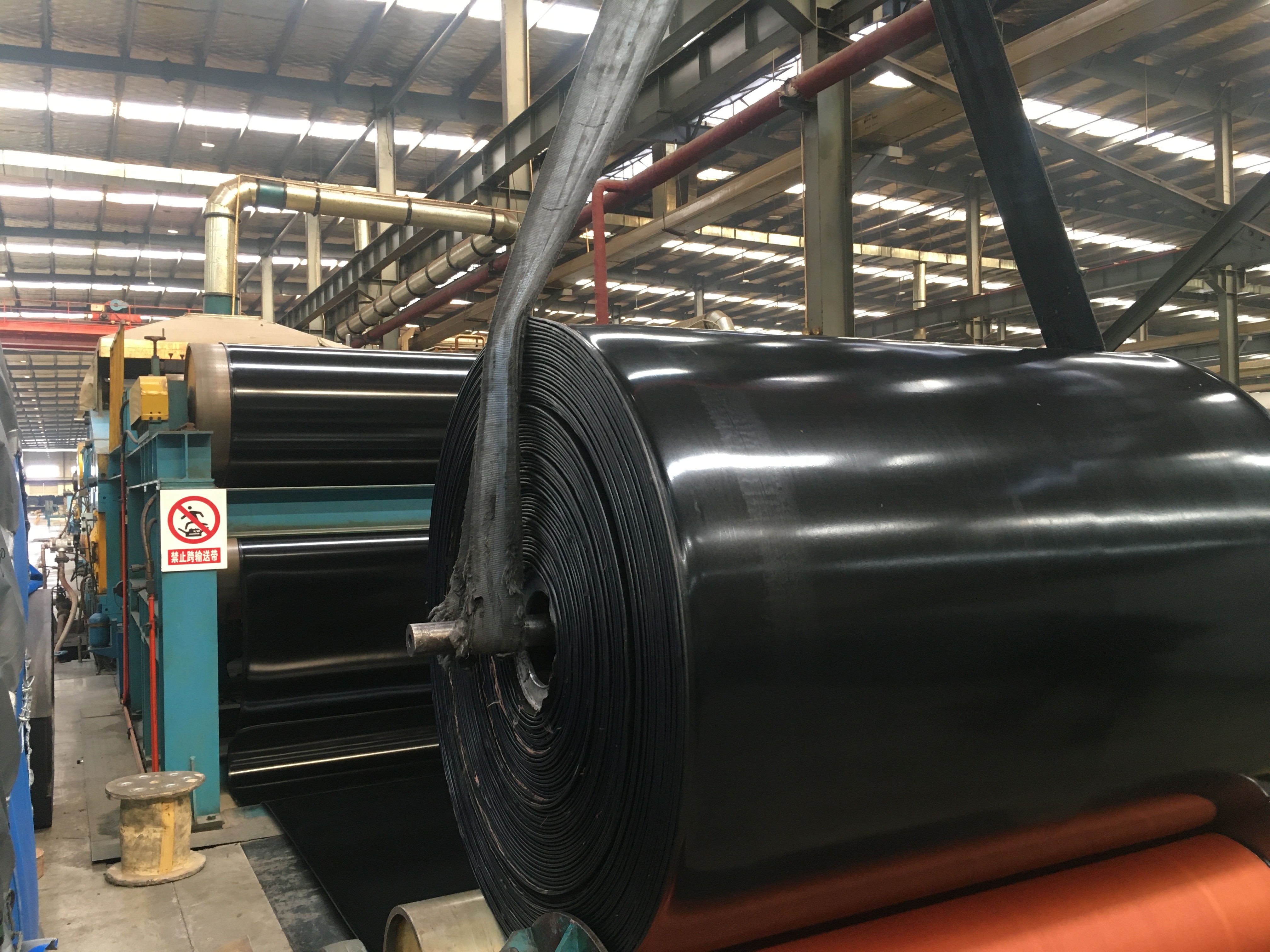
Repair of general damage to conveyor belts
August 20, 2022
1. Scope of Repair
Generally, the damage and defect of conveyor belt can be repaired, but its effect needs to be correctly estimated. When the wear of the cover rubber of the fabric core conveyor belt is close to the limit, the cover rubber is damaged and torn more than 7 places per meter, the perforation exceeds 15, the transverse rupture (perforation) reaches one-third of the width, and the strength of the belt is reduced by 40%. The damaged section must be cut off and reattached with new tape.
The stressed part of the tape is the core layer. If the core of the damaged tape is still intact, the possibility of repair and utilization should be considered.
2. Basic methods of repair
The repair of conveyor belt can be divided into two types: planned shutdown repair and emergency repair. Planned downtime repairs can be arranged according to the amount, scope, and repair of the damage. Emergency repairs are mostly carried out on-board, so that the conveyor can be quickly re-run, which mainly refers to joint breakage and longitudinal tearing.
Applicable repair techniques include mechanical clip connection, cold glue repair and hot vulcanization repair. For different damages, choose repair methods suitable for different situations.
(1) Repair of special mechanical buckle
The repair of lateral tearing of light and medium fabric core tapes can be done using mouth clip connections (usually only when production must continue and cannot be stopped).
(2) Cold glue repair and vulcanization repair
The method of cold glue repair and hot vulcanization repair is basically the same, mainly including the following steps:
①Clean the surface of the belt, wipe it clean, mark the repaired part with chalk, mark and cut it into circle, diamond or rectangle, square bevel.
②Peel off the cover glue and the damaged core layer until the undamaged core layer, and make a stepped cut.
③ Then grind to form a relatively smooth and rough surface, apply glue, and patch repair materials in layers. The requirements are basically the same as the joint operation requirements of the belt.
Cold glue repair requires about the same preparation time as hot vulcanization, but can save the curing time necessary for vulcanization. Cold glue repair is advisable if there are many small pieces of tape that are damaged and difficult to handle, but cold glue repair is in the case of large-scale repairs, and when the air temperature is below 17 degrees Celsius, or the ambient humidity is too high, the tape tape In the case of water, the repair quality is relatively poor.
Cold adhesive repair materials are mainly neoprene type and polyurethane type. The neoprene type should be mixed with a cross-linking agent before use. The polyurethane type repair adhesive is generally two-component, and the mixing ratio should be paid attention to when using it.
Unvulcanized cover compound, core compound, tape and glue for hot vulcanization repair can be purchased from the remaining parts of the vulcanized joint or from the relevant factory. The remaining material should be checked for deterioration before use.
In the case of emergency and not enough time to buy, hot vulcanization repair glue can be cut into pieces and placed in a container, added with solvent gasoline and soaked for a certain period of time, and then stirred evenly. The ratio of glue to solvent gasoline is about between 1:4 and 1:5.